Fiber-to-Copper Network Integration Guide
Integrating fiber optic connections into legacy copper infrastructure. Media converter solutions for Kampala businesses transitioning to high-speed networks.
Engineering considerations:
- Media converters bridge fiber-to-copper transitions without protocol conversion, providing transparent connectivity at the physical layer
- Chassis-based converter systems with redundant power supplies reduce failure rates by 85% compared to standalone units
- Proper fiber-copper integration delivers 30–50% throughput improvement over all-copper backbones, with ROI within 12–18 months
Integrating a fast incoming fiber drop into an older office setup built on copper lines requires balancing your transmission media types. Many Kampala businesses find themselves in this transitional state, where their internet service provider delivers fiber to the building but the internal infrastructure remains copper-based.
The challenge is connecting these two technologies without creating bottlenecks, compatibility issues, or unnecessary expense. This transitional architecture is common in Kampala's commercial buildings, where internal copper infrastructure may have been installed years or decades before fiber became available from service providers.
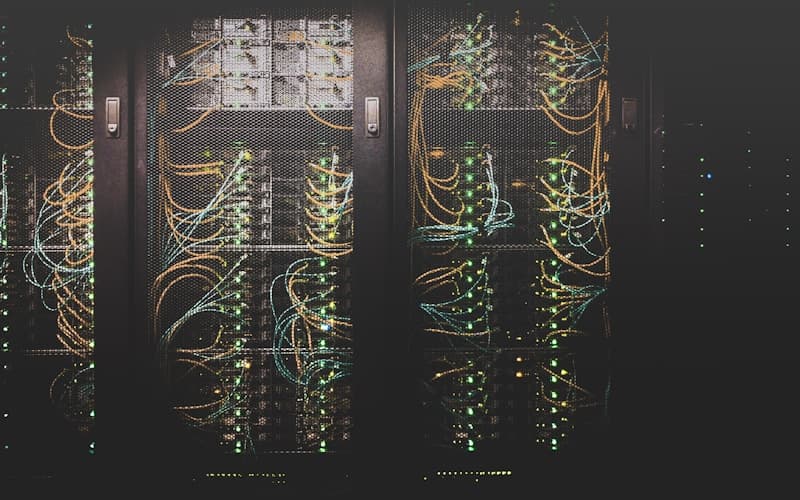
Media converters bridge these technologies by changing optical signals into electrical data pulses without dropping bandwidth. For the cleanest infrastructure design, mount multi-port converter cards inside a main rack-mounted frame rather than scattering single converter blocks across server tables.
This keeps your signal conversions organized, accessible, and easy to maintain, transforming what could be a chaotic collection of adapters into a managed infrastructure component.
Understanding Media Converter Technology and Selection Criteria
Media converters are simple, purpose-built devices that convert fiber optic signals to copper Ethernet signals, or vice versa, without protocol conversion. The converter operates at the physical layer of the OSI model, translating light pulses into electrical signals while preserving the data content and timing.
This transparency means the converter is invisible to the network, requiring no software configuration and introducing minimal latency. The converter's simplicity is both its strength and its limitation, as it provides straightforward signal conversion without the advanced features that managed network devices offer.
The primary selection criteria for media converters include:
- Fiber type compatibility: Single-mode fiber converters support distances up to 10 kilometers or more, while multi-mode fiber converters are limited to 2 kilometers or less
- Copper interface speed: 10/100 Mbps for legacy devices, 1 gigabit for standard office equipment, and 10 gigabit for high-performance applications
- Distance requirements: Match converter capabilities to your deployment distances
- Form factor: Standalone units for single conversions vs. chassis-based systems for multiple conversions
Form factor options range from standalone units suitable for single conversions to chassis-based systems that house multiple converter cards in a single rack-mounted frame. Standalone converters are suitable for single conversions, while chassis-based systems provide centralized power, monitoring, and management, and offer significantly better reliability and maintainability for multi-conversion deployments.
Network Architecture Design for Fiber-Copper Integration
The placement of the fiber-to-copper conversion point significantly impacts network performance and scalability.
Converting at the building entry point provides fiber connectivity to the ISP while maintaining the existing copper infrastructure for internal distribution. This approach minimizes internal changes but limits the bandwidth available to internal devices to the capabilities of the copper infrastructure. For businesses where the copper infrastructure supports current bandwidth requirements and upgrade plans are limited, this approach provides a cost-effective transition to fiber connectivity.
Converting at the main distribution frame allows fiber to serve as the building backbone, with copper distribution to individual floors or zones. This architecture provides greater bandwidth capacity for internal traffic and positions the network for future all-fiber deployment. The conversion point becomes a managed infrastructure component that can be upgraded independently as technology evolves.
Converting at the floor distribution frame brings fiber to each floor, with short copper runs to individual workstations. This approach maximizes the fiber advantage for the longest cable runs while preserving the existing copper infrastructure for the relatively short distances within each floor. For multi-floor Kampala office buildings, this architecture often provides the best balance of performance and cost.
Implementation Best Practices and Quality Assurance
Proper media converter installation begins with verifying compatibility between the converter and the connected fiber and copper equipment. Fiber connectors must match: LC connectors to LC ports, SC to SC, and so on. Copper interface types must also match: RJ-45 for standard Ethernet connections. Mismatched connectors require adapter cables that add failure points and should be avoided in permanent installations.
Power supply reliability is a critical concern for media converters. Standalone converters typically include a single external power supply that represents a single point of failure. For production environments, using converters with redundant power inputs or deploying redundant converters in an active-standby configuration provides the availability required for business-critical connections.
Chassis-based systems typically include redundant power supplies as a standard feature, making them the preferred choice for enterprise environments where uptime is essential. The power supply configuration should be documented and included in the maintenance plan to ensure reliable operation.
Testing and documentation after installation are essential for maintainability. Each conversion point should be documented with the fiber and copper cable identifiers, the converter model and serial number, the power supply configuration, and the link status. This documentation enables rapid troubleshooting when issues occur and supports capacity planning for future upgrades.
Common Mistakes and Troubleshooting Approaches
The most frequent mistake in fiber-to-copper integration is mismatching fiber types. Single-mode fiber converters will not work with multi-mode fiber, and vice versa. The fiber type must be identified and verified before selecting converters. In Kampala, where buildings may have a mix of older multi-mode and newer single-mode fiber installations, this verification step is critical.
Another common error is exceeding the copper cable distance limit after conversion. The 100-meter limit for copper Ethernet applies to the segment between the converter and the connected device. If the converter is placed too far from the destination equipment, the copper segment may exceed this limit, causing intermittent connectivity and data errors.
Power-related problems account for a significant portion of media converter failures. Voltage fluctuations in Kampala's power grid can damage external power supplies or cause converter restarts that disrupt network connectivity. Using surge-protected power strips, UPS backup for critical converters, and power conditioners for sensitive equipment provides essential protection against power-related failures.
Benefits for the Ugandan Market
The benefits of proper fiber-to-copper integration extend beyond the immediate connectivity improvement. Businesses report 30–50% improvement in network throughput after converting from an all-copper backbone to a fiber backbone with copper distribution. The elimination of electromagnetic interference on the fiber backbone reduces error rates and retransmissions, improving application performance.
Conclusion and Next Steps
Fiber-to-copper network integration is a common requirement for Kampala businesses transitioning from legacy copper infrastructure to modern fiber-based connectivity. The key to successful integration is selecting the right conversion approach, implementing it with proper quality assurance, and documenting the installation for ongoing maintainability.
The conversion architecture should be designed as a permanent infrastructure element rather than a temporary workaround. This perspective ensures that the design supports long-term business requirements, provides the reliability that business-critical connections demand, and positions the network for future upgrades as technology evolves.
Backspace Business Solutions will evaluate your existing infrastructure, recommend the conversion approach that best fits your requirements and budget, and implement the solution with the quality and documentation that ensures long-term reliability. We have implemented fiber-to-copper conversions for offices, data centers, and commercial buildings throughout Kampala.
We specialize in Networks & Infrastructure services and Power Infrastructure solutions that support reliable network operations.
Request Free Site Survey to discuss your fiber-to-copper integration needs and discover how proper integration can transform your network connectivity.
Frequently Asked Questions
What is structured cabling and why is it important for businesses?▼
How long does a structured cabling installation take?▼
What cable categories should I use for my office network?▼
How often should structured cabling be inspected?▼
Can structured cabling support both data and voice applications?▼
Continue reading
More articles in Structured Cabling →