Networks Built for How Your Business Works
We design, install and support reliable business networks — from structured cabling and WiFi to switching, routing, fiber and VoIP.
What We Provide
End-to-end network infrastructure designed for reliability, performance and maintainability.
Structured Cabling
The physical backbone of your network.
- Copper and fiber infrastructure
- Cat6, Cat6a and fiber cabling
- Patch panels and cable management
- Labeling and documentation
- Fluke testing and certification
Business WiFi
Wireless coverage that works everywhere you need it.
- Coverage planning and site surveys
- Access point placement and mounting
- Guest network isolation
- Roaming between access points
- Capacity planning for density
Switching and Routing
How traffic moves through your network.
- Managed switch deployment
- VLAN design and segmentation
- Routing and inter-VLAN configuration
- Network segmentation
- PoE switch infrastructure
Fiber Infrastructure
High-speed connectivity between buildings and floors.
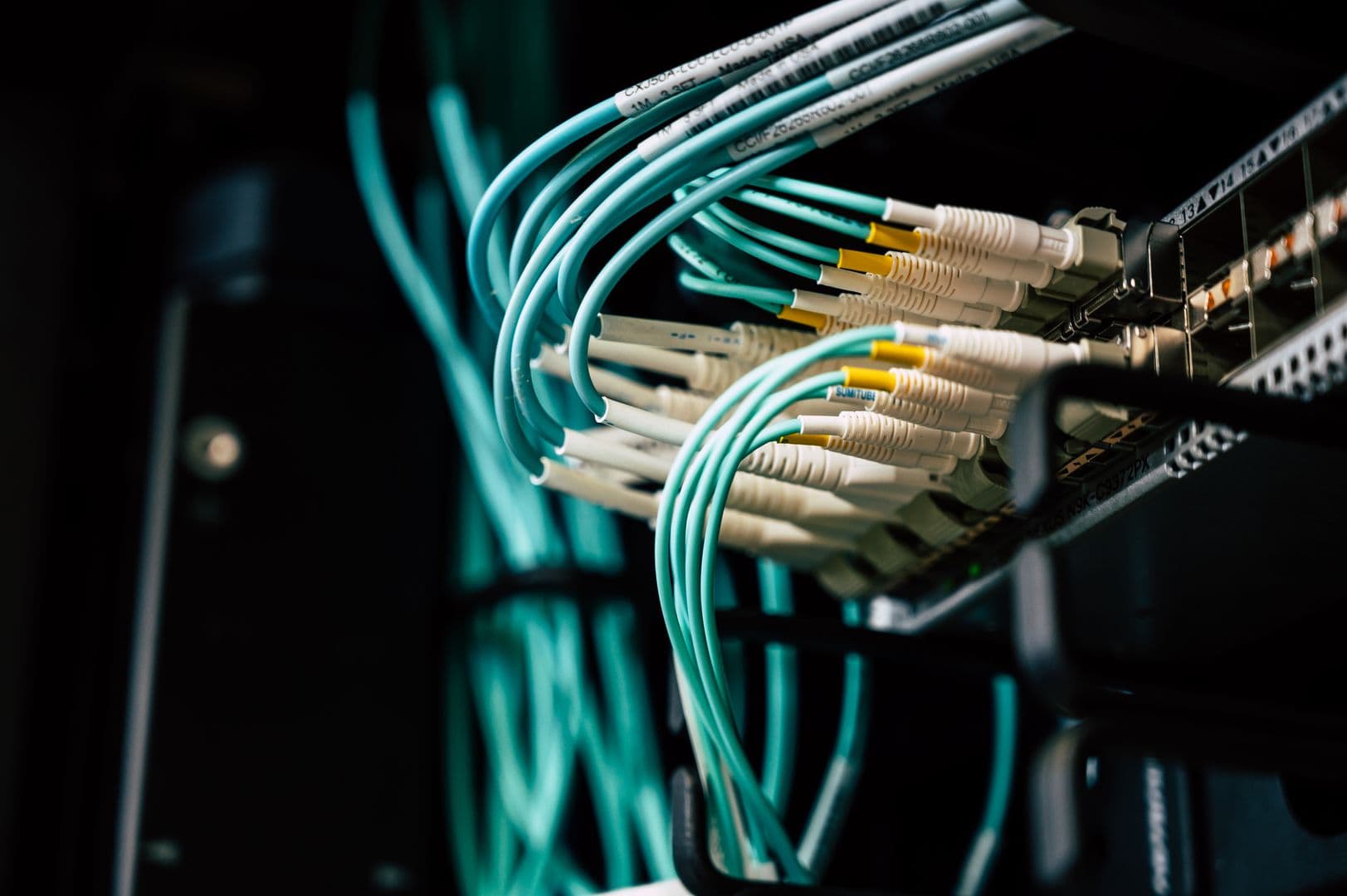
- Single-mode and multi-mode fiber
- Inter-building backbone
- Fiber splicing and termination
- OTDR testing and certification
- Fiber patch panel installation
VoIP
Business voice over your network infrastructure.
- IP phone system deployment
- SIP trunk configuration
- PoE phone deployment
- Call routing and auto-attendant
- Integration with existing systems
Network Security
Protecting your network from threats.
- Firewall deployment and configuration
- VLAN segmentation for security
- Access control lists
- Secure remote connectivity
- Network monitoring and alerts
Before We Install Anything
Network Assessment
A network is only as good as its design. Before we recommend equipment, we assess what you have, what you need and what is actually causing problems.
Most network problems are not caused by bad equipment. They are caused by bad design, undersized infrastructure, missing segmentation or poor cable quality. We find the real issues before recommending solutions.
Existing cabling
Condition, type, labeling, and capacity of current infrastructure
Switch capacity
Port count, utilization, performance and age of current switches
WiFi coverage
Signal strength, dead zones, capacity and roaming performance
VLAN architecture
How traffic is segmented and whether segmentation is adequate
Internet connectivity
Bandwidth, redundancy, ISP links and failover capabilities
Bottlenecks
Where the network slows down and why
Network security
Firewall rules, access controls and exposure to threats
Power infrastructure
PoE budget, UPS coverage and power reliability for network equipment
How We Work
Designed, Not Just Installed
We do not just pull cables and plug in switches. Every network we build goes through a structured process designed to get it right the first time.
Assess
We survey the site, map the space, review existing infrastructure and understand how the business uses the network.
Design
Engineers create the network topology, cable schedules, VLAN architecture and equipment specifications.
Install
Cabling, equipment mounting, patch panels, switches, access points and fiber. Installed to specification.
Configure
VLANs, routing, firewall rules, WiFi settings, QoS and security policies. Everything configured for your requirements.
Test
Every cable tested. Every port verified. WiFi coverage mapped. Performance validated before handover.
Document
Network diagrams, cable schedules, IP addresses, VLAN maps, equipment inventory. Your team gets full documentation.
Support
Ongoing maintenance, monitoring and technical support. One number to call when something needs attention.
What You Get
A complete network infrastructure, designed, installed, tested and documented.
Customer Outcomes
What a well-designed network means for your business.
Frequently Asked Questions
How do I know if my network needs upgrading?
Signs include slow file transfers, WiFi dead zones, frequent disconnections, equipment running out of ports, or staff complaining about connectivity. We can assess the current infrastructure and tell you honestly what needs changing and what can stay.
Can you work with our existing cabling?
In many cases, yes. We assess what is already in place, test existing cables, and integrate new runs where needed. We do not replace working infrastructure unnecessarily.
How long does a typical network installation take?
A small office (20-50 cable runs) typically takes 2-5 days. A multi-floor building or campus project can take 1-3 weeks. We plan the work around your business hours to minimize disruption.
Do you provide network documentation?
Yes. Every installation includes network diagrams, cable schedules, IP address plans, VLAN maps and equipment inventory. This documentation is essential for future maintenance and troubleshooting.
Can you design a network for multiple buildings?
Yes. We design campus networks with fiber backbone between buildings, distributed switching and centralized management. We plan for current requirements and future growth.
What happens after the installation is complete?
We hand over full documentation, train your team on basic operation, and provide ongoing support. If something goes wrong or you need changes, you call one number and a real person responds.
Ready to Upgrade Your Network?
Tell us what your business needs. We will assess the current infrastructure and recommend a network designed around how you actually work.