Cat6 Cable Installation in Kampala: Complete Guide
Professional Cat6 cable installation in Kampala, Uganda. Office network cabling, structured cabling, and Cat6 cable price guide for businesses.

What to specify:
- Cat6 cable delivers 10 Gbps at 55m and 1 Gbps at 100m with 250 MHz bandwidth—the recommended standard for Kampala office installations
- Proper installation with TIA/EIA-568 compliance ensures reliable performance, supports PoE for cameras and access points, and eliminates re-cabling costs
Why Cat6 Is the Standard for Kampala Offices
Cat6 cable has become the de facto standard for modern office network installations in Kampala. It supports gigabit speeds up to 100 meters and provides the bandwidth headroom that today's applications demand—from cloud computing and video conferencing to IP surveillance and VoIP systems.
Professional Cat6 installation ensures reliable performance that meets the cable's rated specifications. In Kampala's commercial environment, where UMEME power surges and dust challenge network infrastructure, proper installation techniques are critical.
This guide covers Cat6 cable specifications, installation best practices, pricing in Uganda, and how to choose a professional installer.
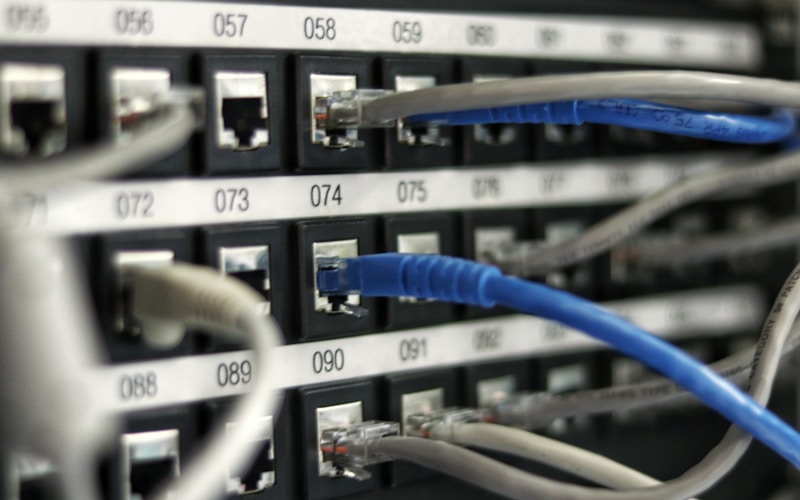
Cat6 Technical Specifications
Cable Construction
Cat6 cable contains four twisted pairs of copper conductors, each pair twisted at different rates to minimize crosstalk between pairs. A central plastic separator (spline) physically separates the pairs, further reducing crosstalk—this is what gives Cat6 its superior performance over Cat5e.
Conductor Size
Cat6 uses 23 AWG (American Wire Gauge) conductors, slightly thicker than Cat5e's 24 AWG. The larger conductor size:
- Reduces signal attenuation (dB loss per meter)
- Supports Power over Ethernet (PoE) applications delivering power to wireless access points and IP cameras
- Improves heat dissipation for PoE+ and PoE++ deployments
Shielding Options
| Shielding Type | Description | Best Use Case |
|---|---|---|
| UTP (Unshielded) | No additional shielding | Standard office environments |
| F/UTP (Foiled) | Foil shield around all pairs | High-interference environments |
| S/FTP (Shielded) | Individual foil + braid shield | Industrial zones, near power lines |
Unshielded Cat6 (UTP) is the most common choice for Kampala offices. Shielded variants are recommended near electrical panels, elevator motors, or UMEME transformer equipment.
Maximum Length
The maximum channel length for Cat6 is 100 meters from patch panel to outlet:
- 90 meters horizontal cable (permanent link)
- 10 meters patch cables at each end (5m + 5m typical)
Cable runs exceeding this distance require intermediate distribution points or fiber optic connections.
Installation Best Practices
Cable Routing Requirements
Cat6 cable must be routed following specific parameters to maintain performance:
- Minimum bend radius: 4× cable diameter (approximately 25mm for standard Cat6)
- Support intervals: Cable trays, J-hooks, or similar support every 1.5 meters
- Tension limits: Maximum pulling tension of 25 pounds for Cat6
- Lubrication: Required for conduit runs exceeding 30 meters
In Kampala offices, cable routing through drop ceilings and raised floors is standard practice. Concrete construction in many commercial buildings requires surface-mounted conduit or basket tray systems.
Separation from Power
Cat6 must maintain separation from power cables to prevent electromagnetic interference (EMI):
- Minimum 50mm separation from standard power cables
- 90-degree crossing angle where cables must intersect
- Greater separation or shielded cable for parallel runs with power
This is particularly important in Kampala buildings where power cables often share pathways with data infrastructure.
Termination Standards
Cat6 cable can be terminated using T568A or T568B wiring standards:
- T568B is more commonly used in commercial installations in Uganda
- Both standards are acceptable if used consistently throughout the installation
- Mixing standards creates confusion and troubleshooting difficulties
Professional installers maintain consistent termination practices and document the standard used in project documentation.
Testing Requirements
Every Cat6 cable run must be tested to verify performance:
- Wire map verification: Confirms correct pair sequencing
- Length measurement: Validates compliance with 100m maximum
- Insertion loss (attenuation): Measures signal strength degradation in dB
- NEXT (Near-End Crosstalk): Checks interference between pairs
- Return loss: Measures signal reflection causing errors
- ACR-F (Attenuation to Crosstalk Ratio, Far-end): Validates far-end performance
Test results must meet or exceed Cat6 performance parameters for the installation to be certified. Professional installers use Fluke DSX-8000 cable analyzers producing documented certification reports.
Cat6 Cable Prices in Uganda
Cable Cost Per Meter
Cat6 UTP cable pricing varies depending on brand and quantity:
- Brand: Belden, Commscope, D-Link command premium prices; Chinese manufacturers offer lower costs
- Quantity: Bulk purchases for large projects typically receive 10–20% discounts
- Quality: Cheap cable may not meet Cat6 specifications consistently
Quality varies significantly between brands. Cheap cable often fails certification testing, requiring re-purchasing and re-installation that costs more than investing in quality initially.
Total Cost Per Outlet
A complete Cat6 outlet including cable, patch panel port, keystone jack, faceplate, and professional installation varies based on:
- Building complexity and cable route difficulty
- Quality of materials selected
- Number of outlets affecting economies of scale
- Access conditions and building constraints
Cat6 vs Cat5e vs Cat6a Comparison
| Specification | Cat5e | Cat6 | Cat6a |
|---|---|---|---|
| Bandwidth | 100 MHz | 250 MHz | 500 MHz |
| Max Speed (100m) | 1 Gbps | 1 Gbps | 10 Gbps |
| Max Speed (55m) | 1 Gbps | 10 Gbps | 10 Gbps |
| Conductor Size | 24 AWG | 23 AWG | 23 AWG |
| PoE Support | PoE (15.4W) | PoE+ (30W) | PoE++ (60W) |
| Lifespan | 10–15 years | 15–20 years | 15–25 years |
When to Choose Cat5e
Cat5e is acceptable for very small offices (5 or fewer workstations) with basic connectivity needs. However, it is increasingly considered insufficient for modern bandwidth demands and should be viewed as a minimum rather than preferred standard.
When to Choose Cat6
Cat6 is the recommended choice for most Kampala office installations:
- Supports current gigabit applications with headroom for growth
- Moderate cost premium over Cat5e with significantly better performance
- 15–20 year lifespan matches typical office technology cycles
- Compatible with current and future network equipment
When to Choose Cat6a
Cat6a is the premium choice for:
- High-density offices with many workstations
- Businesses running bandwidth-intensive applications (video editing, large file transfers)
- Organizations planning 10 Gbps backbone connections
- Installations requiring maximum future-proofing
Cat6a costs approximately 30–50% more than Cat6 but delivers 10 Gbps at full 100-meter distance and a 15–25 year lifespan.
Choosing a Cat6 Installer in Uganda
Certification and Expertise
When evaluating installers, verify:
- Manufacturer certifications: Belden, Commscope, or equivalent ensuring warranty coverage
- Testing equipment: Fluke DSX-8000 or DTX series producing certified test reports
- References: Previous projects of similar size and complexity in Kampala
Warranty Coverage
Quality installers offer warranties on both materials and workmanship:
- 20–25 year warranty on cabling infrastructure is standard for reputable manufacturers
- Warranty covers performance standards and includes periodic retesting
- Certified test reports are required for warranty validation
Project Management
Professional installation includes coordination with:
- Builders and contractors during construction or renovation
- Electricians for power cable separation compliance
- IT teams for network equipment integration
Return on Investment
Cat6 cabling is a long-term investment lasting 15–20 years. The slightly higher upfront cost compared to Cat5e delivers:
- Significantly better performance supporting current and future applications
- PoE capability for wireless access points, IP cameras, and biometric readers
- Fewer network outages and faster troubleshooting
- Avoided re-cabling costs when bandwidth demands increase
For businesses planning CCTV and biometric integration, Cat6 provides the PoE support and bandwidth required for IP cameras and access control readers. Professional CCTV & Biometric installations leverage structured cabling for reliable power and data delivery.
Professional Cat6 installation ensures your cabling infrastructure meets specifications and provides reliable performance for decades. Request Free Site Survey to have our engineers assess your building and recommend the optimal Cat6 solution for your specific requirements.
Frequently Asked Questions
What is structured cabling and why is it important for businesses?▼
How long does a structured cabling installation take?▼
What cable categories should I use for my office network?▼
How often should structured cabling be inspected?▼
Can structured cabling support both data and voice applications?▼
Continue reading
More articles in Structured Cabling →