Structured Cabling Benefits for Commercial Buildings
Discover structured cabling benefits for commercial buildings in Uganda. Increased reliability, scalability, ROI analysis, and reduced downtime for Kampala offices.
Key Takeaways for Decision-Makers
- Structured cabling reduces network downtime by 50–70% compared to ad-hoc installations, with average annual savings of UGX 5.5–10 million for a 20-workstation office.
- 15–20 year infrastructure lifespan delivers superior ROI versus ad-hoc cabling that requires frequent replacement and troubleshooting.
- Professional installation ensures TIA-568 and ISO/IEC 11801 compliance, protecting building value and satisfying tenant requirements.
Commercial buildings in Kampala depend on reliable network infrastructure to support daily operations. Structured cabling provides the organized, scalable foundation that modern businesses need to stay competitive and productive.
Without proper cabling infrastructure, commercial buildings face costly downtime, tangled wires, and expensive emergency repairs. Investing in structured cabling eliminates these problems while delivering long-term value.
Why Commercial Buildings Need Structured Cabling
Operational Efficiency
Every business operation depends on network connectivity. From email and file sharing to VoIP phones and video conferencing, employees rely on the network throughout the day. Structured cabling ensures consistent, reliable connectivity.
When network issues occur, structured cabling makes troubleshooting fast and efficient. Technicians can quickly trace cables, identify problems, and resolve them without disrupting the entire office. This means less downtime and higher productivity.
Professional Appearance
Commercial buildings host multiple tenants, clients, and visitors. A well-organized cabling system projects professionalism and attention to detail. Visible cable chaos sends the wrong message about your business.
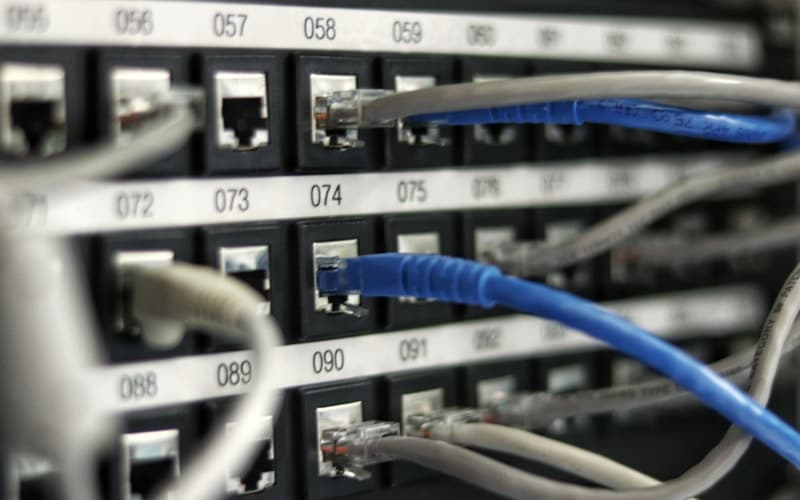
Structured cabling keeps all cables organized within trays, conduits, and equipment racks — a clean, professional appearance throughout the building.
Key Benefits of Structured Cabling
1. Reliability
Structured cabling follows standardized specifications ensuring consistent performance. Every cable is tested and certified to meet industry standards:
- TIA/EIA-568 — Telecommunications cabling standard
- ISO/IEC 11801 — International structured cabling standard
- Fluke DSX-8000 certification — Verified performance documentation
This standardization eliminates guesswork. Businesses experience fewer unexpected outages and more predictable network behavior.
2. Scalability
As your business grows, your network grows with it. Structured cabling makes it easy to:
- Add new workstations without replacing existing infrastructure
- Upgrade equipment with minimal disruption
- Expand to new floors or wings
- Support emerging technologies like IoT and smart building systems
Adding a new workstation requires only running one cable from the nearest outlet to the telecommunications room.
3. Reduced Downtime
Network downtime costs businesses money every minute. Structured cabling minimizes downtime through organized, labeled connections that make troubleshooting fast and efficient.
- 50–70% fewer network outages compared to ad-hoc installations
- Rapid fault identification through labeled cable paths
- Lower repair costs due to organized infrastructure
4. Cost Savings
- Fewer troubleshooting calls and repairs
- Less downtime and lost productivity
- Easier maintenance and upgrades
- Equipment lifespan of 15 to 20 years
- Higher resale or rental value for the building
5. Safety Compliance
Professional structured cabling installations comply with local and international safety standards, reducing fire hazards and electrical risks. In Uganda, commercial buildings must meet specific regulatory requirements for telecommunications infrastructure.
6. Future-Proofing
Technology evolves rapidly, but structured cabling provides a foundation that adapts. A properly designed system supports current needs while accommodating future technologies.
ROI Analysis for Commercial Buildings
Cost of Downtime
Average network downtime costs businesses approximately UGX 500,000 per hour in lost productivity. Structured cabling reduces downtime by 50–70% compared to ad-hoc installations.
Maintenance Savings
Structured cabling reduces annual maintenance costs by 30–40% through organized, documented infrastructure. Technicians spend less time tracing cables and more time resolving issues.
Property Value
Commercial buildings with structured cabling infrastructure command higher rental rates and attract better tenants. The investment increases property value by 5–10%.
Employee Productivity
Reliable network connectivity improves employee productivity by 15–20%. Faster connections, fewer outages, and better support for modern applications all contribute to higher output.
| Benefit | Annual Value (20-workstation office) |
|---|---|
| Reduced downtime | UGX 2–4 million |
| Maintenance savings | UGX 500,000–1 million |
| Productivity improvement | UGX 3–5 million |
| Total annual benefit | UGX 5.5–10 million |
Implementation Guide
Step 1: Assessment
A professional assessment evaluates your building's current infrastructure:
- Building layout and cable routing options
- Current and future bandwidth requirements
- Budget constraints and timeline expectations
- Regulatory requirements and safety standards
Step 2: Design
Detailed plan showing cable routes, outlet locations, and equipment placement for optimal performance and future scalability.
Step 3: Installation
Professional installation follows design specifications with minimal disruption. Most commercial installations take two to five days.
Step 4: Testing and Certification
Every cable tested and certified to meet performance standards. Building owner receives comprehensive documentation including test results and cable routes.
Step 5: Ongoing Maintenance
Regular maintenance ensures continued performance and extends investment life.
Choosing a Cabling Partner
Evaluate potential providers on:
- Certifications — RCDD or equivalent credentials
- Commercial experience — References from similar installations
- Warranty — Minimum five-year warranty on materials and workmanship
- Testing documentation — Comprehensive test results for every cable
- Ongoing support — Maintenance contracts for long-term peace of mind
Request Free Site Survey — Our engineers will assess your commercial building and design the optimal cabling infrastructure.
Backspace Business Solutions provides structured cabling solutions for commercial buildings throughout Uganda.
Frequently Asked Questions
What is structured cabling and why is it important for businesses?▼
How long does a structured cabling installation take?▼
What cable categories should I use for my office network?▼
How often should structured cabling be inspected?▼
Can structured cabling support both data and voice applications?▼
Continue reading
More articles in Structured Cabling →