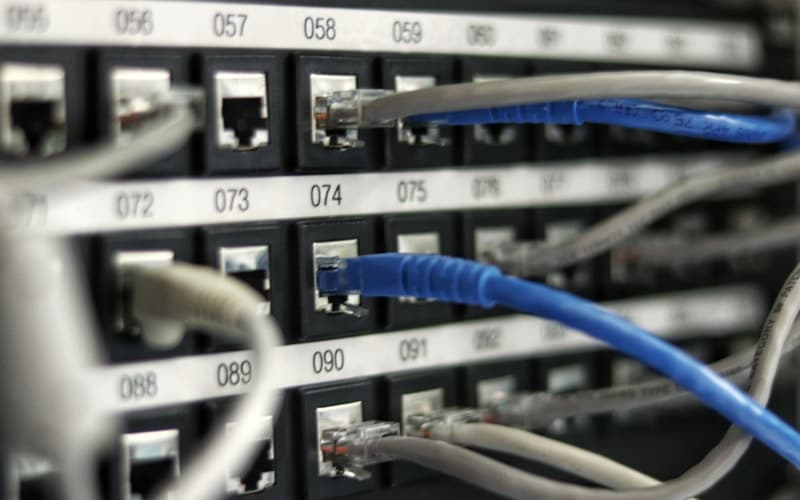
Access Control System Installation in Kampala
Professional access control system installation in Kampala, Uganda. Biometric, card, and keypad door access systems for offices, warehouses, and commercial buildings.

Key Takeaways for Decision-Makers
- Biometric access control systems achieve a False Acceptance Rate (FAR) below 0.001% and a False Rejection Rate (FRR) under 1% — far more reliable than PINs or cards that can be shared, lost, or stolen.
- Professional installation costs between UGX 3M and 8M per door, but eliminates the recurring expense of lock replacements and key management while delivering complete audit trails.
- Uganda's power surges, heat, and dust require IP65-rated readers and UPS-backed controllers — specification details that separate reliable systems from those that fail within months.
Controlling who enters your premises is fundamental to security. Access control systems replace traditional locks and keys with electronic systems that provide audit trails, time-based access, and remote management. For businesses in Kampala, professional access control installation delivers security and operational benefits that mechanical locks cannot match.
This guide covers access control technology options, installation processes, costs, and benefits for businesses operating in Uganda's unique environment.
Types of Access Control Systems
Keypad Systems — The Budget Entry Point
Keypad systems require users to enter a PIN code to gain access. They are the most affordable access control option and are easy to install. However, PIN codes can be shared, forgotten, or observed by unauthorized individuals — a significant security weakness in any environment.
- Cost per door: UGX 500,000 to 1.5M (controller, keypad reader, electric lock, installation)
- Security level: Low to moderate
- Best for: Low-security areas where convenience matters more than strict access control
- Limitations: No identity verification, PIN sharing is undetectable, no visual evidence of who entered
Card-Based Systems — Fast and Scalable
Card systems use RFID or proximity cards that users present to a reader. Cards are faster than keypads and can be issued to visitors easily. Lost cards can be deactivated instantly, preventing unauthorized access without changing locks.
- Cost per door: UGX 800,000 to 2.5M (controller, card reader, cards, electric lock, installation)
- Security level: Moderate
- Best for: Offices and commercial buildings where many users need access
- Card types: 125 kHz proximity (basic, UGX 5,000-10,000 per card) or 13.56 MHz MIFARE (encrypted, UGX 15,000-30,000 per card)
Biometric Systems — Identity-Level Security
Biometric systems verify identity through physical characteristics — fingerprints, facial features, or palm veins. They provide the highest level of access control because biometric credentials cannot be shared, lost, or stolen.
- Fingerprint readers: UGX 1M to 3M per reader — FAR < 0.001%, FRR < 1%
- Facial recognition: UGX 2M to 5M per reader — works with masks, supports liveness detection
- Palm vein readers: UGX 2.5M to 6M — reads subsurface vein patterns, extremely difficult to spoof
- Cost per door (complete): UGX 1.5M to 4M (biometric reader, controller, electric lock, installation)
Mobile Access Systems — Smartphone-Based Credentials
Mobile access systems use smartphones as credentials. Users present their phone to a reader or use a mobile app to unlock doors. This eliminates the need for physical cards and provides remote management capabilities.
- Cost per door: UGX 1.2M to 3M
- Best for: Modern offices with tech-savvy staff and organizations leveraging existing smartphone infrastructure
- Protocol: Typically uses Bluetooth Low Energy (BLE) or NFC for credential presentation
Access Control Components
Controllers — The System Brain
The controller stores access rules, validates credentials, and controls door locks. Controllers range from single-door units for small installations to enterprise controllers managing hundreds of doors over TCP/IP networks.
Modern controllers support TCP/IP communication, allowing remote management and monitoring. Cloud-managed controllers simplify multi-site management and provide mobile access for administrators. For Uganda's environment, controllers should be housed in climate-controlled enclosures to protect against dust and temperature extremes.
Readers — The User Interface
Readers are the devices users interact with at each door. The reader type must match the credential technology used. Key considerations for Kampala installations:
- Outdoor readers must be rated IP65 or higher for dust and water resistance
- Operating temperature should cover Uganda's range: -10°C to 55°C
- Mounting height for facial recognition readers: 1.2m to 1.8m for optimal capture
- Fingerprint readers should include anti-spoofing (liveness detection) to prevent silicone fingerprint attacks
Electric Locks — Securing the Door
Electric locks secure the door and release when authorized access is granted:
| Lock Type | Best For | Power | Holding Force |
|---|---|---|---|
| Electromagnetic (maglock) | Most commercial doors | 12V/24V DC | 600-1200 lbs |
| Electric strike | Wooden doors, offices | 12V DC | 800-1000 lbs |
| Electronic deadbolt | High-security doors | 12V DC | 1500+ lbs |
| Electric rim lock | Glass doors, metal frames | 12V DC | 600-800 lbs |
Maglocks are the most common choice for commercial installations in Kampala. They are reliable, work with most door types, and fail-safe design meets fire safety requirements — doors unlock automatically during power outages for emergency egress.
Access Management Software
Software manages users, credentials, access rules, and reporting. Features include:
- Time-based access schedules — restrict cleaners to specific hours, allow executives 24/7 access
- Visitor management — pre-register visitors, issue temporary credentials, track duration
- Mustering — real-time headcount during emergencies
- Anti-passback — prevents credential sharing by requiring a valid exit before re-entry
- Integration — connect with CCTV, time and attendance, and building management systems
Installation Process
Site Assessment — The Critical First Step
A professional installer surveys your premises to identify door locations, lock requirements, and user flows. The assessment considers:
- Door types — solid wood, hollow core, glass, metal, sliding
- Building materials — concrete walls affect cable routing, hollow walls affect mounting
- Power availability — proximity to electrical circuits, surge protection needs
- Network connectivity — PoE switch locations, cable run distances (Cat6 max: 100m)
System Design
Based on the assessment, the installer designs the access control system including controller placement, reader locations, lock types, and wiring routes. The design ensures reliable operation, clean installation, and compliance with fire safety requirements.
Wiring and Installation
Network and power cables are installed to each door location. Controllers, readers, and locks are mounted and connected. Wiring is routed through conduit or concealed within walls for a professional appearance. All connections are weatherproofed at outdoor locations using heat-shrink tubing and silicone sealant.
Configuration and Programming
Access control software is configured with user accounts, access levels, and schedules. Access rules define who can enter which doors and when. Integration with time and attendance systems links access events to employee records. Backup access methods — PIN codes or manual overrides — are configured for power outages and system failures.
Testing and Training
Every door is tested to verify authorized access works correctly and unauthorized access is denied. Emergency procedures including manual override and fire alarm integration are tested. Staff training ensures administrators and users can operate the system effectively.
Access Control Costs in Kampala
Single Door Installation
| Technology | Cost Range (UGX) | Includes |
|---|---|---|
| Keypad | 3M - 5M | Controller, keypad, electric lock, installation |
| Card reader | 4M - 7M | Controller, reader, 10 cards, electric lock, installation |
| Fingerprint | 5M - 8M | Controller, fingerprint reader, electric lock, installation |
| Facial recognition | 7M - 12M | Controller, facial reader, electric lock, installation |
Multi-Door Systems
- 4-door system: UGX 10M to 25M
- 10-door system: UGX 25M to 60M
- 50+ door enterprise system: UGX 100M to 300M
Costs decrease per door as system size increases due to shared controllers, network infrastructure, and volume pricing.
Ongoing Costs
- Annual software licensing: UGX 1M to 5M depending on system size
- Maintenance contracts: 10-15% of initial system value per year
- Card/fob replacement: UGX 5,000 to 20,000 per credential
- Biometric enrollment: UGX 2,000 to 5,000 per user (typically included in initial setup)
Benefits for Kampala Businesses
Enhanced Security and Accountability
Access control eliminates the vulnerabilities of mechanical keys. Lost or stolen credentials can be deactivated instantly. Audit trails record every access attempt — including denied attempts — providing accountability and supporting investigations if security incidents occur.
Operational Efficiency
Automated access eliminates the need for security personnel at every door. Time-based access schedules ensure cleaning staff, contractors, and visitors can access the building only during authorized hours. Remote management allows administrators to grant access without being physically present.
Cost Savings Over Time
Over 5 years, access control systems save money by eliminating lock replacements when keys are lost, reducing investigation time for security incidents through audit trails, and integrating with time and attendance systems to eliminate separate timekeeping hardware.
Professional Image
Access control systems project a professional image for your business. Visitors and clients notice modern security systems. This perception supports your business reputation and can influence client confidence — particularly important for financial services, legal firms, and technology companies.
Choosing an Installer in Uganda
Experience and Certifications
Choose an installer with specific experience in access control systems. Look for certifications from equipment manufacturers — Hikvision, Dahua, ZKTeco, or Suprema. Request examples of previous installations and contact those clients for references.
Product Range and Brand Flexibility
An installer who works with multiple brands can recommend the best solution for your needs rather than pushing a single product. Access to multiple manufacturers ensures competitive pricing and avoids dependence on a single supplier.
Support, Maintenance, and Warranty
Access control systems require ongoing support. Choose an installer who offers maintenance agreements with guaranteed response times. Verify that the installer provides warranties on both equipment and workmanship — manufacturer warranties cover equipment defects, while workmanship warranties cover installation quality.
Professional CCTV & Biometric access control installation provides the security foundation your business needs. Request a Free Site Survey to evaluate your premises and receive a tailored access control proposal.
Frequently Asked Questions
What biometric technologies are available for access control?▼
How accurate are biometric access control systems?▼
Can biometric access control integrate with existing security systems?▼
What happens if a biometric reader fails?▼
Are biometric systems compliant with privacy regulations?▼
Continue reading
More articles in Biometric Access Control →