Fail-Safe Power & Data for Nakasero Office Block
Client: Financial services office
Power protection and structured cabling overhaul for a financial services office in Nakasero — double-conversion UPS, generator integration, certified cabling, and isolated CCTV power for continuous operation during outages.
Redesign of power protection, structured cabling, and CCTV backup systems for a financial services office in Nakasero to ensure continuity during utility outages.
A financial services office occupying multiple floors in a commercial building in Nakasero, Kampala. The site houses trading systems, client databases, and IP-based CCTV. Operations are time-sensitive — any downtime during market hours has direct financial consequences.
Initial Site Condition
What We Walked Into
Utility power in the area was unreliable, with outages occurring multiple times per week, sometimes lasting several hours. The existing UPS system was a consumer-grade standby unit that provided less than 10 minutes of runtime — insufficient for even a brief outage. When power dropped, servers rebooted abruptly, causing database corruption and forced system rebuilds. CCTV cameras lost power simultaneously, creating security blind spots during exactly the periods when they were most needed. Structured cabling was routed through ceiling voids without proper tray support, with several runs resting on ceiling tiles and exposed to heat buildup. There was no cable documentation, and troubleshooting required physically tracing cables through inaccessible spaces.
A single consumer-grade standby UPS rated at 3kVA with degraded batteries. Server equipment on a single rack with no power redundancy. CCTV cameras powered via individual PoE injectors without centralized power management. Cat5e cabling loosely routed through ceiling voids with no cable trays, no labeling, and no separation from electrical wiring. No environmental monitoring in the server area.
Physical inspection of the UPS revealed battery capacity had degraded to approximately 40% of rated runtime. Load testing showed the unit could sustain the server rack for under 8 minutes — far below the design target. Cabling audit found 12 of 34 runs in the ceiling void were touching or crossing electrical conduits, creating EMI interference potential. Three runs showed physical damage from being pinched by ceiling tiles. The server rack was positioned against an external wall with no air conditioning — ambient temperatures during peak afternoon hours reached 38°C. CCTV PoE injectors were daisy-chained from a single circuit breaker, meaning a single trip took all cameras offline.
Engineered Solution
Architecture & Decisions
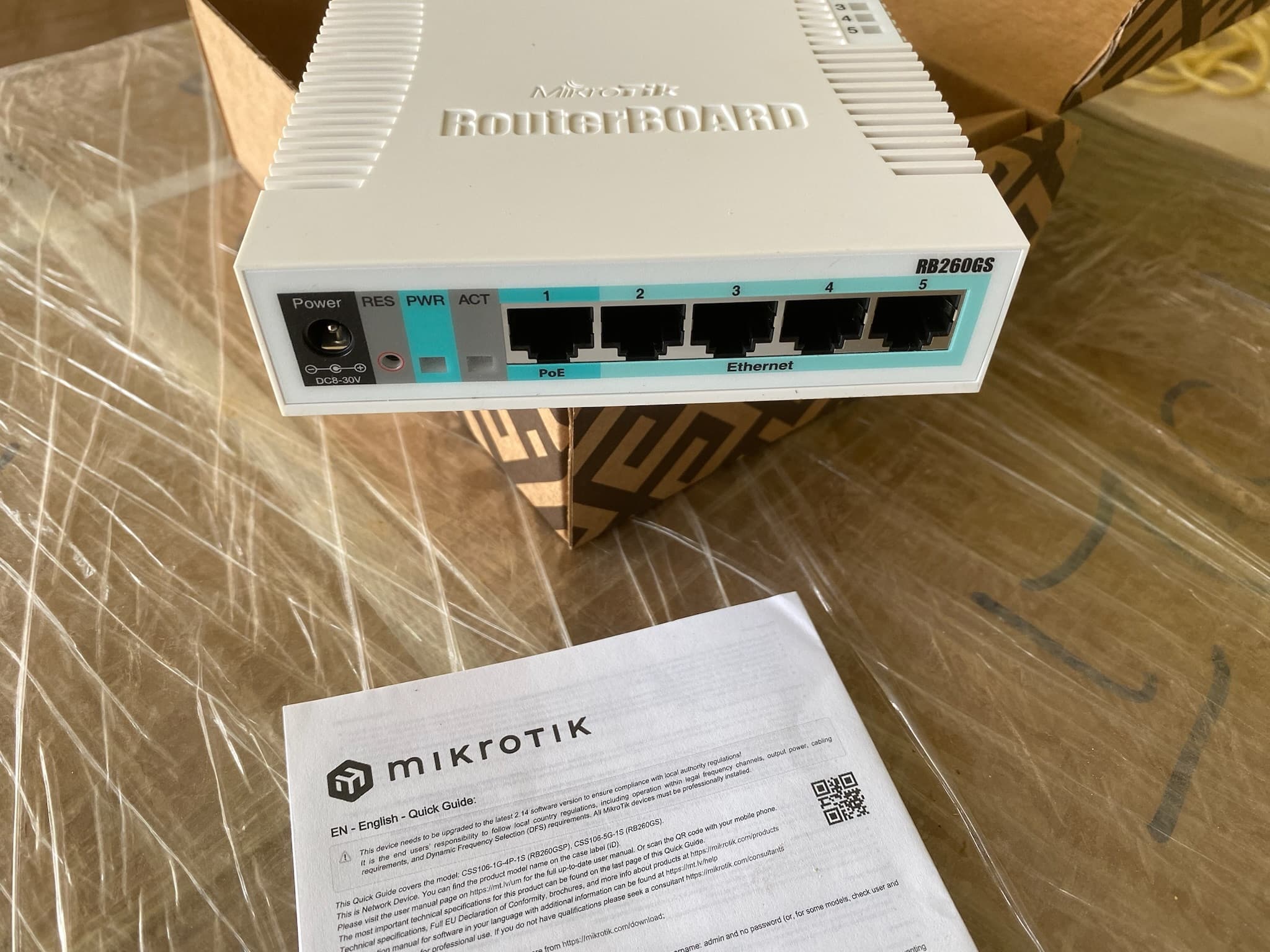
The power protection system was redesigned around a double-conversion online UPS sized for the full server load plus 30% headroom, with an automatic transfer switch and a connection point for a backup generator. Structured cabling was rerouted into dedicated cable trays with proper vertical and horizontal separation from electrical wiring, following TIA-568-C.2 guidelines. CCTV cameras were migrated to a centralized PoE switch powered from the UPS-backed circuit, with individual camera circuits isolated so a single fault does not cascade. Environmental monitoring was added to the server area with temperature and humidity sensors connected to the monitoring platform.
Physical Deployment Breakdown
Quality Assurance
Fluke Certification & Verification
Every run, splice, battery bank, and VLAN tested against rigorous international telecommunications standards.
The Measured Outcome
The office now maintains continuous server and CCTV operation during utility outages, with UPS runtime sufficient to bridge brief outages and generator integration available for extended events. All structured cabling has been rerouted, certified, and documented. CCTV cameras operate independently on protected circuits. Environmental monitoring provides early warning of thermal conditions in the server area.
Need a Similar Standard for Your Facility?
Book an on-site audit with Backspace engineers. We will analyze your infrastructure and deliver a tailored proposal within 48 hours.